
North America’s Bears
There are three species of bears in North America. The three types of bears vary in their diet and demographics but all of them are omnivores, eating both animals and plants.
The most common species is the American black bear (Ursus americanus). Somewhat misleadingly named, the black bear can be various shades of black, brown, and even white. This species is found in all provinces and territories in Canada except Prince Edward Island, and black bears are found in 40 of the 50 United States. There are between 600,000 and 900,000 black bears throughout North America.
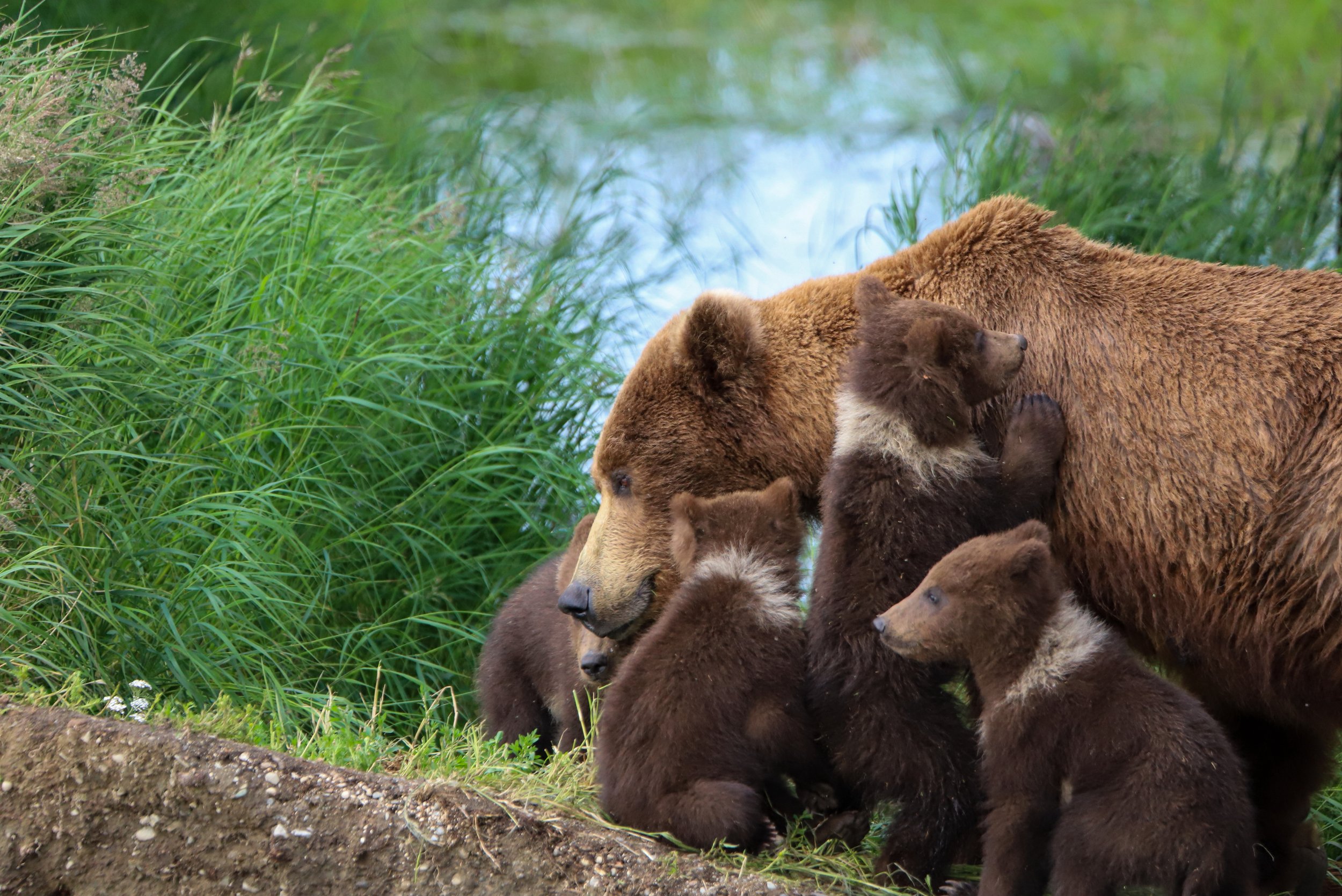
The grizzly or brown bear (Ursus arctos) is found in British Columbia, Alberta, the Yukon, and Northwest territories as well as in Wyoming, Montana, Idaho and Alaska. Coastal versions of this species are often called brown or Kodiak bears, while the smaller inland variety is often called the grizzly bear on account of its “grizzled” appearance. All are members of the same species, though some biologists suggest that the brown bears on Kodiak Island in Alaska have been isolated long enough to be considered a separate subspecies (Ursus arctos middendorfii).
Due to the lack of human development in its remote Arctic habitat, the polar bear (Ursus maritimus) retains more of its original habitat than any other remaining large carnivore. Approximately 25,000 polar bears live in the northern regions of Canada, Alaska, Russia, Norway, and Greenland. The global polar bear population, estimated to be 26,000 bears, is relatively stable. However, in 2006 the International Union for Conservation of Nature (IUCN) upgraded the polar bear from a species of “least concern” to a “vulnerable” species. The main threats to polar bears are climate change and human-caused mortality.
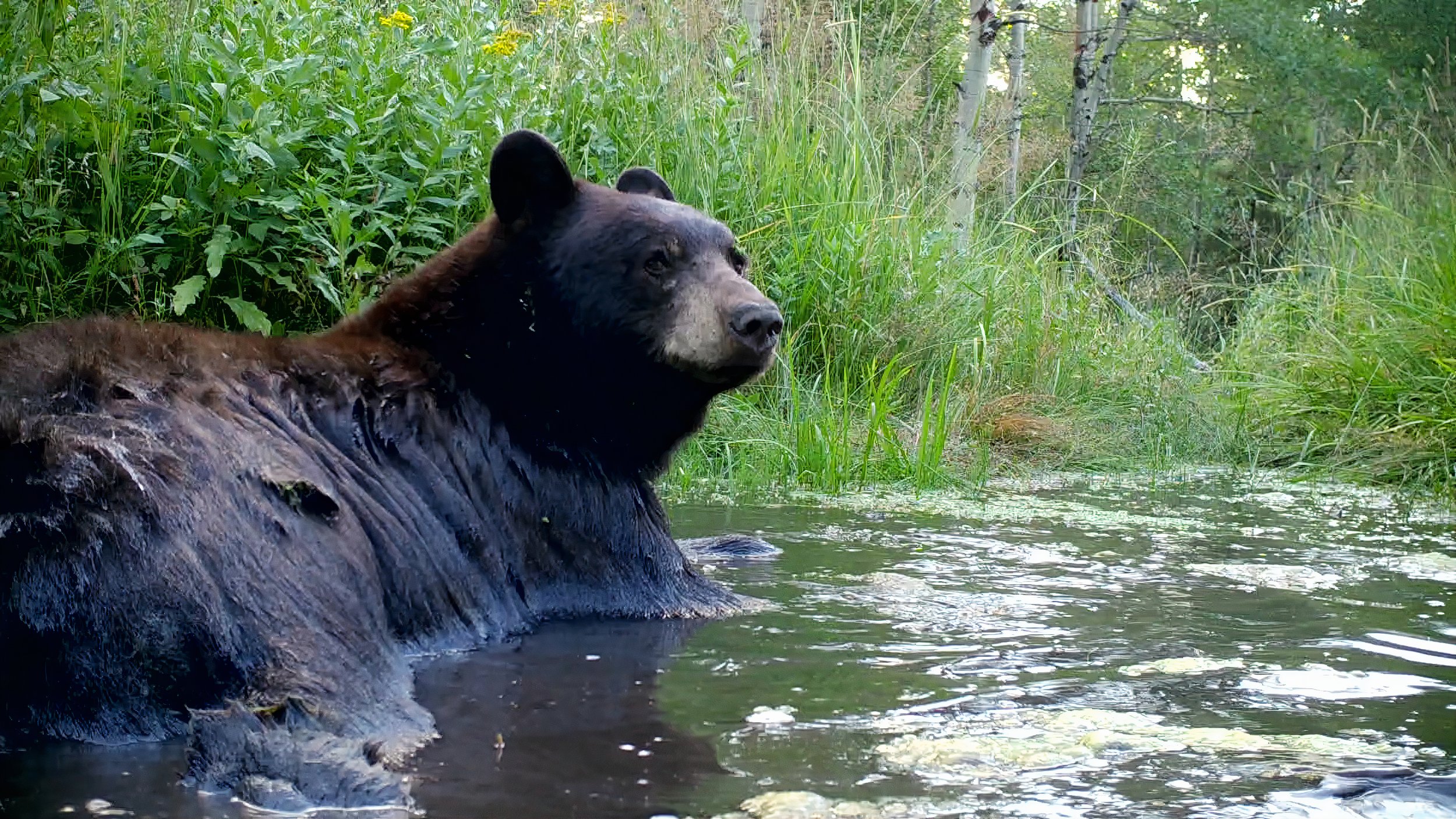
Black bear

Grizzly bear

Polar bear with cub
The map on this page shows general areas of North America in which black bears, grizzly bears, and polar bears are present. There are several areas of overlap between the species.
Black and grizzly bears are the main species of focus for this website. Both species share many of the same behavioral characteristics, but there are some differences. Understanding bear behaviors is essential to preventing and managing potential human-bear conflicts and encounters.
For more information about the world’s eight bear species, including grizzlies, black bears, and polar bears, visit the International Association for Bear Research & Management.
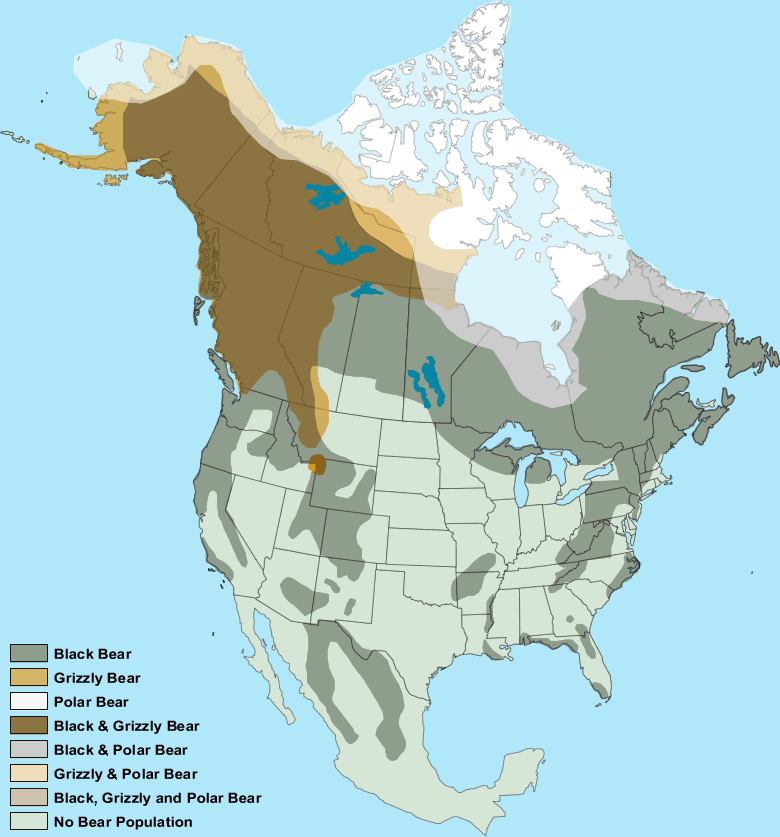
Map courtesy of geology.com
Note: This map uses population data from 2006-2010. Bear populations have shifted—in some cases, expanded—since that time. For the most recent population data and understanding of bear presence in your area, look to reports from your local wildlife management agency.